1,000 ATMs and Nobody Knew
PROJECT DETAILS
ORGANIZATION: Cardtronics (Allpoint Network & Key Bank)
PROJECT: NYC Activation
ROLE: Creative Direction, Crisis Response, Street Activation
In the spring of 2020, as COVID-19 shut down New York City and unemployment claims surged past 2.5 million statewide, hundreds of laid-off New Yorkers stood in line for hours on a single Manhattan block, in the heat, during a pandemic, to reach unemployment money they had already earned.
The state paid benefits onto KeyBank debit cards. KeyBank had one open branch in the city, one ATM, on East 22nd Street. So people waited, two and three hours at a time. Janitors, bus drivers, line cooks, bartenders. A 73-year-old woman who walked across Manhattan in the heat. A father from Queens withdrawing toward $1,500 in rent he hadn't paid in months.
The Post covered it first. The Times followed. The Borough President wrote the Governor. The Department of Labor called it unacceptable. What nobody said: it was completely preventable.
The gap
Allpoint had more than 1,000 surcharge-free ATMs across the city, over 100 in Manhattan alone. Walgreens, CVS, Rite Aid. Some within walking distance of that line. The KeyBank cards worked at every one of them. The information existed, buried in card fine print and on a state website few could navigate. As one cardholder told the Post, it should have been put in front of them without hassle. Nobody had.
It was an information gap. And information gaps are a creative problem.
The work
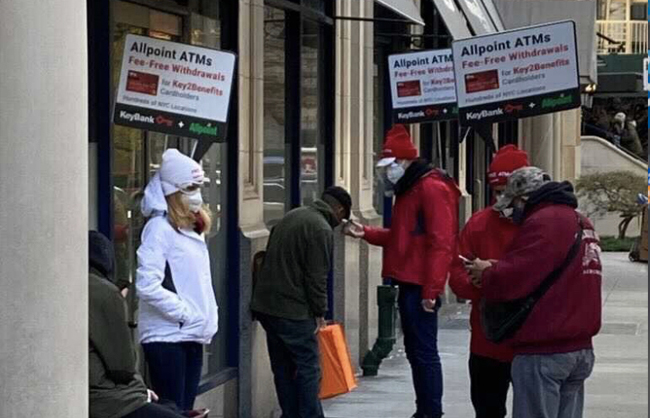
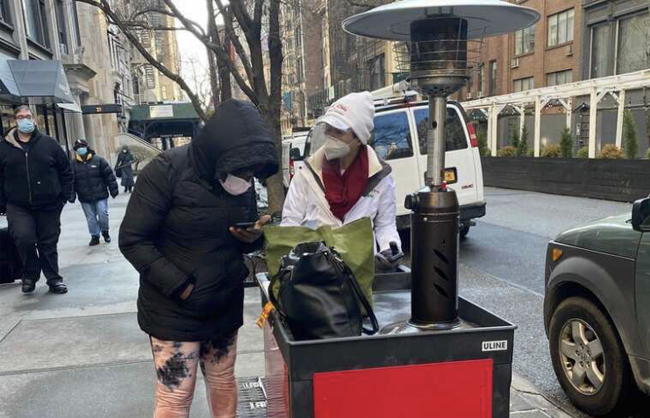
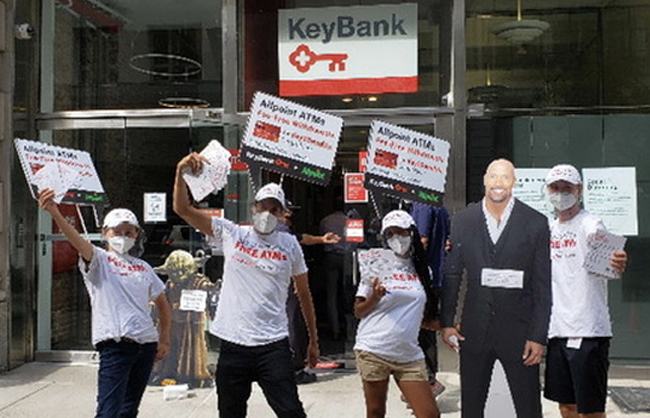
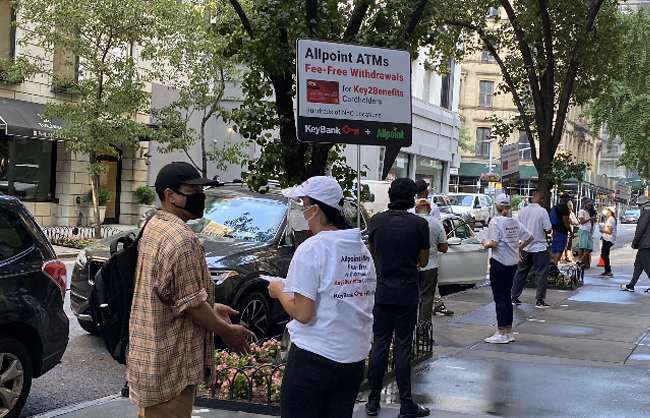
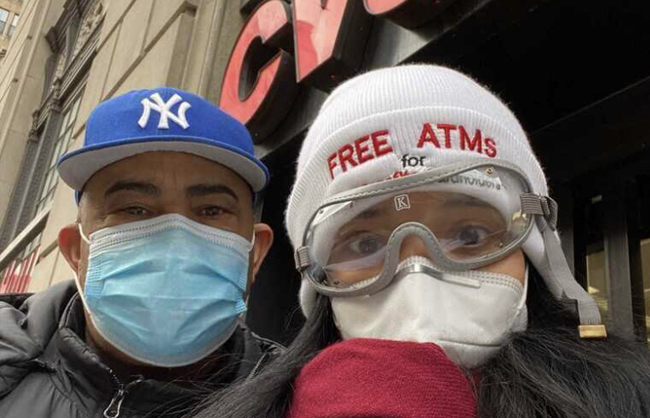
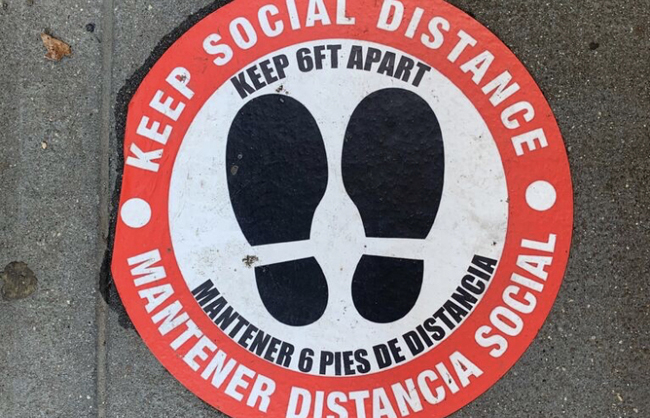
Put the information where the people were, in a form they could act on in five seconds, delivered by people who could answer a question on the spot. I led creative direction and asset production: wayfinding and printed materials pointing people to nearby ATMs, bilingual and built for street level, plus the street teams who intercepted people before they joined the line and the digital and paid search that extended the reach.
The direction was deliberately restrained. Big type, clear message, the KeyBank and Allpoint marks people needed to trust it, and no hierarchy beyond what someone had to read and act on. Knowing when to hold a brand back and let function lead is a harder skill than knowing how to make it loud. Here it was the only honest choice.
The impact
$17M in partner revenue over the run. 1,000+ surcharge-free locations made visible. 13 months of sustained street presence through crisis and recovery.
Coverage in the New York Times and New York Post, responses from the Borough President and the Department of Labor, and the visible shrinking of the East 22nd Street line marked the shift from crisis to resolution.
Why it matters
Most of the work in a career stays inside the industry. It moves a metric, wins an award, impresses a client. That work has value. But occasionally a creative problem is also a human problem, and the work gets to do something more than that.
This was one of those times. The line was real. The people in it were real. The problem was solvable with clear communication and the willingness to show up where people were. That's what the work did.
Not every job needs to look good. This one needed to work. That's the job, underneath everything else.